
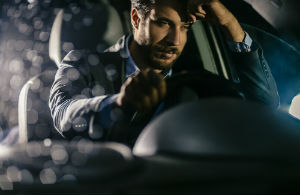
 A new report from the Governors Highway Safety Association (GHSA) shows that drowsy driving is a growing problem on American roadways. Researchers found that drowsy driving caused 5,000 deaths in 2015 and there are approximately 382,000 drowsy-driving accidents every year. The report states that an estimated 83.6 million U.S. adults are chronically sleep-deprived. A third of all drivers admitted to driving within the past 30 days while they were so tired they had trouble keeping their eyes open. Drowsy-driving accidents result in roughly $109 billion in legal fees, emergency response services, insurance administration fees and other expenses. The GHSA report, titled “Wake Up Call! Understanding Drowsy Driving and What States Can Do,” was created by sleep study physicians, traffic safety administrators and other experts. The goal of the report is to educate people about the seriousness of the problem and help reduce drowsy-driving deaths.
Understanding the Severity of the Problem
The GHSA report explains that a drowsy driver is an unsafe driver. Fatigue slows reaction time, impairs judgement and awareness. Lack of sleep can also cause a driver to micro sleep — actually doze off for a few seconds while driving. Driving while tired is similar to driving while drunk. If you have gone 18 hours without sleep, your driving impairment mimics a 0.05 blood alcohol content (BAC). If you stay awake for 21 hours, the effect is similar to driving with 0.08 BAC, which is the legal limit in all states. Drivers who are tired are 3.5 times more likely to be involved in an accident, according to the National Highway Traffic Safety Administration (NHTSA). An analysis of data from NHTSA’s NASS Crashworthiness Data System estimates that 7% of all crashes and 16.5% of fatal crashes involved drowsy driving. Unfortunately, drivers often underestimate how tired they really are when they get behind the wheel. Some drivers think that stimulant activities like drinking caffeine, turning up the music or opening the window will help, but they often do not. There is also no way to test drivers for fatigue, so driving while tired is difficult to prevent. The report concludes that public education and fostering behavior changes are key to reducing this public health and safety threat. If you or someone you love has been injured in a car accident, you may be entitled to compensation for pain and suffering, medical bills, and other expenses. Contact the experienced, licensed Sacramento car accident lawyers at the Arnold Law Firm to discuss your claim.Contact a Sacramento injury lawyer at our law firm today by calling (916) 777-7777 or complete a Free Case Review.