
Navigating the Legal Landscape of E-Scooter Accidents: What You Need to Know
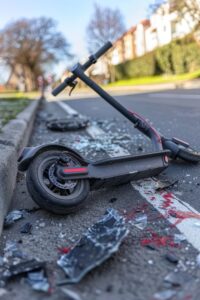 Electric scooters (e-scooters) have rapidly transformed urban transportation since their launch in 2017. Initially introduced by Bird Rides Inc. in Santa Monica, these scooters soon became a common sight on city streets nationwide. While offering a convenient and eco-friendly transportation option, e-scooters have also brought about a wave of accidents and subsequent legal challenges. The Arnold Law Firm has seen a surge in e-scooter accident cases, highlighting the need for expert legal guidance to navigate these complex situations. Understanding E-Scooter Operations and Legal Agreements E-scooter rentals are typically accessed through mobile apps, where users unlock the scooter for a small fee and are charged per minute of use. To rent a scooter, users must provide a driver’s license and credit card information and agree to strict user agreements. These agreements are designed to protect e-scooter companies from liability but do not eliminate the legal challenges arising from malfunctions, defects, or rider negligence. 6 Common E-Scooter Malfunctions and Associated Risks The first generation of e-scooters was plagued by several technical issues, including:
 - Brake Failure: Early models had insufficient braking power, especially on inclines, leading to numerous accidents.
- Throttle Sticking: Over time, wear and tear could cause the throttle to stick, leading to unintended acceleration.
- Geofencing Problems: Intended to enforce no-ride zones, malfunctioning geofencing technology often caused sudden stops, resulting in crashes.
- Structural Failures: Issues such as handlebar detachment and snapping baseboards were common, leading to severe injuries.
- Tire Issues: Solid rubber tires, chosen to reduce maintenance costs, provided poor traction and shock absorption, increasing the risk of accidents on uneven surfaces.
- Insufficient Lighting: Poor headlight design in early models made night-time riding particularly dangerous.
- Head Injuries: The repeal of mandatory helmet laws for adults has led to a significant increase in head injuries among e-scooter riders.
- Fractures and Broken Bones: High-speed crashes frequently result in fractures, particularly in the tibia and fibula, a condition we’ve termed the “E-scooter Tib-Fib Special.”